

Drip Filter Coffee
Pour-over, or filtering coffee is created by pouring hot water over the ground coffee. The coffee will brew as it soaks into. The flavor of the coffee can be affected by factors such as the size of the grind, water temperature, and the type of filter used.
The medium grind size can help in achieving a balanced extraction of coffee flavors. Adjusting the grind size can enhance specific characteristics of coffee based on the preferences of the consumer.
Grind Size
The grind size is an important aspect of drip brewing. It determines how fast the coffee water flows through the grounds and the way flavor compounds are extracted. The right grind size is crucial to ensure the right balance between extraction time and flavor, and to avoid excessive or under-extraction. Insufficient extraction can give a sour taste that is bland. Over-extraction will result in an unpleasant and hollow taste. To avoid these problems, the ideal size of grind for drip brewing is medium, with a consistency similar to white sugar granulated.
The exact consistency of the grind will vary depending on the type of filter used in the brew and the brewing method used. Different methods have their own preference regarding grind size. For example flat bottom filters work ideal for a medium grind, while cone-shaped filters require a more fine one. You can discover your favorite tastes by trying different grind sizes and different kinds of beans.
The size of the grind also affects the temperature at which water reaches the beans. This plays a key role in flavor extraction and development. When a bean is ground too coarsely the surface area may be too large to permit adequate contact with hot water. This can cause a sour, acidic flavor, while a fine grind can cause over-extraction, resulting in an unpleasant, hollow taste.
Finely ground coffee is the most suitable for Turkish or espresso coffee as it has the largest surface area. This grind requires a more extended extraction process in order to bring out all the flavor of the beans. Coffee with coarse ground has a rough texture that is similar to sea salt, and this kind of grind is ideally suited for cold brew or French press brewing methods.
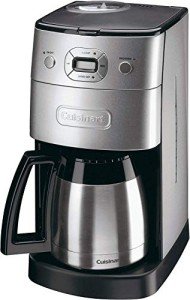
The best way to understand how the grind size affects the temperature of the water is to compare it to a Jolly Rancher. A large jolly rancher will take an extended time to dissolve in water, while a smaller one will dissolve quicker due to its bigger surface area. It is crucial to play with different sizes of grinders to find the one which will yield the best cup of espresso for you.
Water Temperature
The temperature of the water is vital to drip filter coffee, because it determines how efficiently it extracts flavor compounds from the grounds. Water should be just below the boiling temperature to make an even and delicious cup. Water that is too hot will cause excessive extraction and create bitter coffee, while water that is too cool may not extract enough flavour. The optimal range for water temperature is between 195 and 205 degrees Fahrenheit. Using a thermometer can help ensure that the water is at the correct temperature to brew. You can also bring the water up to an unbeatable temperature and let it rest for about a minute, and then pour. This will result in an identical temperature.
The water temperature is important because different soluble compounds extract at different rates. Fruity and acidic flavours are extracted first, followed by sweetness and balance, and finally bitterness and caffeine. The right temperature of the water will extract these flavours and give you a great cup.
www.coffeee.uk of flavour is not linear. It increases as the water temperature increases. Water temperatures above 205 degrees Fahrenheit may quickly over-extract and produce bitter coffee, whereas water that is too cold will have difficulty extracting and will leave you with an unbalanced and weak cup of coffee.
Finding the right temperature of water for your drip filter coffee is easy enough however, it requires concentration on the details and the use of a good quality thermometer. Whether you are using a traditional thermometer or an infrared laser thermometer, make sure you are monitoring the temperature of the water throughout the brewing process. A gooseneck kettle that has an adjustable temperature setting can make this process even more simple and give you total control over the water temperature.
Try experimenting with different water temperature, grind size, and brew times to find the one that works best for your specific taste preferences. You can use a lower temperature (around 200 degrees Fahrenheit), for lighter roasts to highlight acidic, fruity flavors, or a higher temperature, with darker roasts, to create stronger and more smoky flavors.
Filter Type
There are many different filters to pick from, each affecting the taste of your coffee and its mouthfeel. Some filters are paper-based, while others are made of cloth or metal. The type of filter that you use will determine the amount of ground matter that gets into the cup, and consequently, the quality of your drink. Paper filters, for example are able to block most of the finer particle from getting into the cup. This can result in more flavor and a fuller mouthfeel. Metal filters allow more sediments and oils to be able to pass through.
The tightness of the weave can also affect the taste of your coffee. A looser weave lets more oil and sediment to pass through while a more tightly-woven one blocks more particles, resulting in an easier, more flavorful brew. Additionally, the thickness of the filter may influence the making process. A filter that is thicker slows down the flow of water, which can lead to a longer extraction time. A filter that is thinner can speed the process of brewing and allow for a faster extraction time.
Drip filter coffee can be considered to be less acidic and milder compared to other types of espresso. This is due to the water drips multiple times through the ground beans before it gets to your mouth. In addition, the brew capable of retaining more of the antioxidants and caffeine that are present in the beans which makes it healthier than other coffee varieties.
There are a variety of methods to brew your coffee however, drip filter coffee is most popular. It is simple to prepare and requires no equipment making it an excellent option for those who are new to the craft or looking for an easy way to begin their day. When making drip filter coffee, it is crucial to be aware of your machine and the type of filter you are using. They will have a major impact on the final result. After a little practice, you will be brewing coffee like a professional in very little time.
Filter Shape
There are several types of coffee filters, each with their particular advantages and disadvantages. Paper filters are most common and the easiest to use. They are effective at eliminating bitter particles and can be used for any size of grind. They are, however, able to introduce foreign tastes and odors to the coffee cup. However, despite these limitations filters made of paper are the most suitable option for drip coffees. They are also reusable, and easy to clean.
Metal filters are a popular option, however they can have a negative impact on the taste of the final cup of coffee. Metal filters don't have the maze of spaces found in paper filters, but instead have straight holes which are usually quite large. This allows many fine particles to pass through, and end up in your cup of coffee.
Cloth filters can be used as well and have a positive effect on the flavor of the final drink. They don't hinder water flow and can be reused, but they do have their own set of problems. Particularly, they tend to add a papery taste to coffee and could clog.
Cone disk, cone, and basket are the other kinds of coffee filters. Cone filters are made of paper, metal or cloth. Pour-over brewing utilizes these filters the most. These filters are difficult to handle due their shape. A digital Caliper with a resolution of 20 microns is needed to accurately measure their thickness.
The primary benefit of a cone-shaped coffee filter is that more oil can pass through it before entering the cup. This results in an energizing and richer drink. The extra oil may help to protect against acidity in the coffee that results. Cone filters are also excellent for highlighting umami, earthy flavors that can be lost with other brewing methods.